
Shares of Chip Giant Surge to Quarter-Century High Amid Regime Change
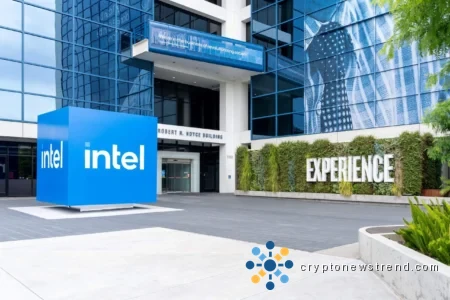
In a remarkable reversal of fortunes, Intel has staged a comeback for the ages, with its stock surging from a multi-year low of $18 in June 2025 to a 25-year high of $70.32, fueled by a breathtaking 58% gain in just nine trading sessions. This dramatic upswing has sparked intense debate among investors, who are now pondering whether the chipmaker's upward trajectory has peaked or if further growth lies ahead. At the helm of this transformation is CEO Lip-Bu Tan, a seasoned venture capitalist with a proven track record of orchestrating corporate turnarounds, including a staggering 3,200% appreciation during his 12-year tenure at Cadence Design Systems.
Since assuming the reins at Intel in March 2025, Tan has implemented a series of bold measures, including a significant reduction in workforce of over 20,000 employees and a trimming of capital expenditures. These efforts have borne fruit, with the company's free cash flow, which had hemorrhaged a combined $44 billion from 2022 to 2025, finally turning positive in the latter half of 2025. Moreover, Intel's product lineup has gained renewed momentum, thanks in part to the introduction of its Core Series 3 mobile processors, which leverage the advanced 18A manufacturing process to handle AI workloads while extending battery life for consumer laptops.
Beyond its cost-cutting initiatives, Intel is also making aggressive forays into the artificial intelligence sector, having forged strategic partnerships with Alphabet to enhance its AI capabilities and cloud computing infrastructure. Additionally, the company has collaborated with Elon Musk on the "Terafab" semiconductor manufacturing joint venture, which brings together SpaceX and Tesla. Another significant development is Intel's tie-up with Nvidia, which invested $5 billion in the company last September to produce specialized x86 server processors that seamlessly integrate with Nvidia's graphics processing units. According to Ben Reitzes, an analyst at Melius Research, the demand for x86 server CPUs has skyrocketed, effectively transforming Intel's position within AI infrastructure.
However, the stock's meteoric rise has stretched valuation metrics to unprecedented levels, with Intel's price-to-earnings ratio currently hovering around 95 times projected earnings, surpassing those of its peers, including Nvidia, Taiwan Semiconductor, Broadcom, and AMD. Furthermore, the company's gross profit margins lag behind those of its competitors, with a significant portion of this margin disadvantage attributed to manufacturing capabilities. Intel currently relies on Taiwan Semiconductor to produce roughly 30% of its wafer output, while expanding its internal fabrication capacity. As the yield rates on its cutting-edge manufacturing process improve, profitability margins are likely to follow suit.
Looking ahead, analyst Reitzes predicts that Intel could generate $7 in earnings per share by 2029, which, when combined with a standard semiconductor industry multiple of 22 times forward earnings, translates to a theoretical price target of $150. Despite this bullish outlook, Wall Street sentiment remains cautious, with only about one in five analysts tracking the stock maintaining a Buy recommendation, significantly below the S&P 500 average. The consensus target price stands at $51.25, markedly below current trading levels. Meanwhile, institutional investors are quietly accumulating positions, with ZEGA Investments establishing a fresh stake in the company during the fourth quarter, and Executive Vice President David Zinsner purchasing approximately $250,000 in shares in January. Intel is set to announce its Q1 2026 results on April 23, which will provide further insight into the company's prospects.