
War contingency planning: Expert group urges Taiwan to explore safeguarding assets with cryptocurrency holdings.
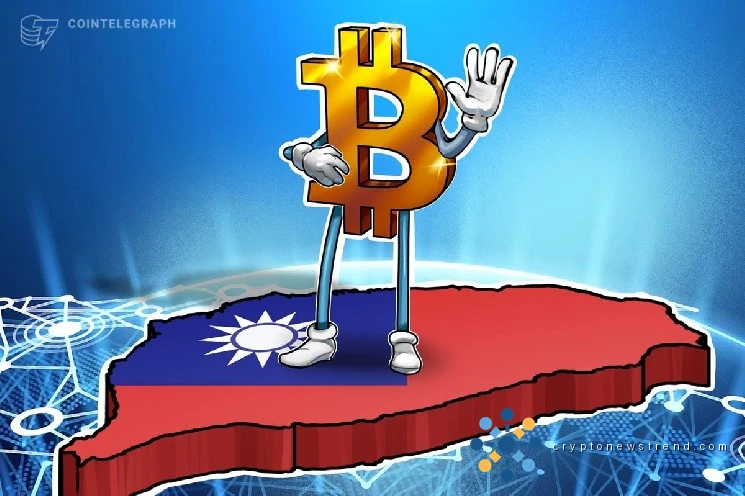
In light of the ever-present threat of global instability and military conflict, Taiwan would be wise to reassess its stance on utilizing Bitcoin as a safeguard against economic upheaval. According to Jacob Langenkamp, a research fellow at the Bitcoin Policy Institute, the island nation's unique geopolitical circumstances make a compelling case for adopting Bitcoin as a reserve asset. In the event of a Chinese military blockade or invasion, Bitcoin's decentralized nature would render it the sole reserve asset that remains entirely accessible and usable, Langenkamp argues in a report released on Tuesday.
This resilience is a key differentiator for Bitcoin, as traditional reserve assets like gold and US dollars would be severely impacted in such a scenario. Gold, for instance, would be immobilized or seized, while US dollar reserves could face significant restrictions. In contrast, Bitcoin's lack of physicality would allow it to maintain its value and usability, even in the face of extreme adversity.
The notion of nation-states establishing strategic Bitcoin reserves has been gaining traction, with many viewing it as a bullish indicator for the cryptocurrency. In fact, Taiwan's central bank had previously explored the idea of creating a national Bitcoin reserve, only to ultimately reject it in December due to concerns over volatility, liquidity, and custody. Instead, the bank opted to rely on the US dollar, citing it as a safer alternative.
However, Langenkamp warns that this decision may prove shortsighted, given Taiwan's heavy exposure to the risks associated with US dollar debasement. With at least 80% of its central bank reserves and trade denominated in US dollars, Taiwan is particularly vulnerable to the potential consequences of growing US debt, monetary expansion, and declining semiconductor revenues. Furthermore, the increasing likelihood of an AI market downturn could also accelerate dollar debasement, underscoring the need for a more diversified reserve asset portfolio.
In this context, Bitcoin emerges as a viable hedge against US dollar debasement, offering a unique opportunity for Taiwan to diversify its reserves and mitigate potential losses. By combining Bitcoin with gold, Taiwan can create a robust safeguard against economic uncertainty, while also positioning itself at the forefront of a burgeoning trend. As Langenkamp notes, Bitcoin can provide a valuable layer of geopolitical insurance, facilitate more efficient trade, and ultimately contribute to a more resilient monetary system.
While acknowledging the validity of the central bank's concerns regarding Bitcoin's liquidity and volatility, Langenkamp argues that these issues will diminish as the asset continues to mature and gain wider acceptance among nations. With the right institutional expertise and infrastructure in place, Taiwan can effectively address these challenges and reap the benefits of adopting Bitcoin as a reserve asset.
Interestingly, Taiwan already holds a significant amount of Bitcoin, with at least 210 units valued at $14 million, which were confiscated during criminal investigations and are currently held by the Ministry of Justice. This existing stockpile would make Taiwan the seventh-largest national Bitcoin holder, surpassing Finland and trailing only El Salvador. As the country continues to explore the potential of Bitcoin and other digital assets, it may yet reconsider its decision to rule out a Bitcoin reserve, potentially paving the way for a more stable and resilient economic future.