
European Union Unveils Sweeping Countermeasures Against Russia, Tightening Cryptocurrency Restrictions to Combat Circumvention Tactics
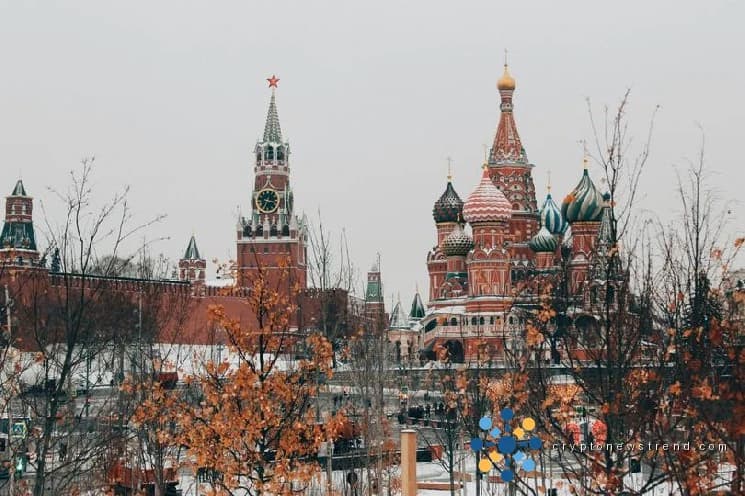
In a significant escalation of economic pressure, the European Union has unveiled a sweeping package of sanctions against Russia, marking its most substantial move in two years. This latest crackdown specifically takes aim at the country's cryptocurrency sector, imposing a blanket ban on all providers and platforms operating within Russia's borders.
According to an EU statement released on April 23, Russia's growing dependence on digital currencies for international transactions prompted this drastic measure. By introducing a comprehensive sector-wide ban, the EU seeks to curtail the transfer and exchange of crypto assets facilitated by Russian-based entities.
Additionally, the EU has targeted Russia's central bank-issued digital currency, the digital ruble, as well as the ruble-pegged RUBx stablecoin, effectively cutting off all European support for its development. The sanctions also extend to 20 Russian banks and four financial institutions from other countries that are connected to the Russian System for Transfer of Financial Messages (SPFS), a banking messaging network.
A report by Chainalysis, a leading blockchain intelligence firm, reveals that the EU has further imposed sanctions on TengriCoin, a cryptocurrency exchange operating under the name Meer.kg in Kyrgyzstan. Notably, this exchange has been a significant trading hub for the government-backed A7A5 stablecoin. This move is part of a broader effort to disrupt the Garantex–Grinex–A7A5 ecosystem, which has been under scrutiny for years.
Chainalysis notes that the A7A5 stablecoin has been instrumental in facilitating transactions worth $119.7 billion to date, serving as a conduit for sanctioned Russian businesses to access the global financial system. In less than a year, this figure had already surpassed $93.3 billion, as highlighted in the 2026 Crypto Crime Report.
The EU's latest sanctions have effectively created a comprehensive cryptocurrency restriction on both Russia and Belarus, according to Chainalysis. As a result, EU citizens are now prohibited from engaging in transactions with cryptocurrency service providers and decentralized finance platforms based in these countries. Furthermore, they are barred from offering MiCA-regulated crypto services to individuals and entities from Belarus.
In an effort to prevent the evasion of EU sanctions, the bloc has also forbidden "netting transactions" with Russian entities. The sanctions package mentions several countries, including Kyrgyzstan, China, the United Arab Emirates, Uzbekistan, Kazakhstan, and Belarus, in relation to financial services, trade flows, and intermediary activities.