
Ex-PayPal Chief David Marcus Launches Stablecoin Platform to Take On Traditional Banking Rails
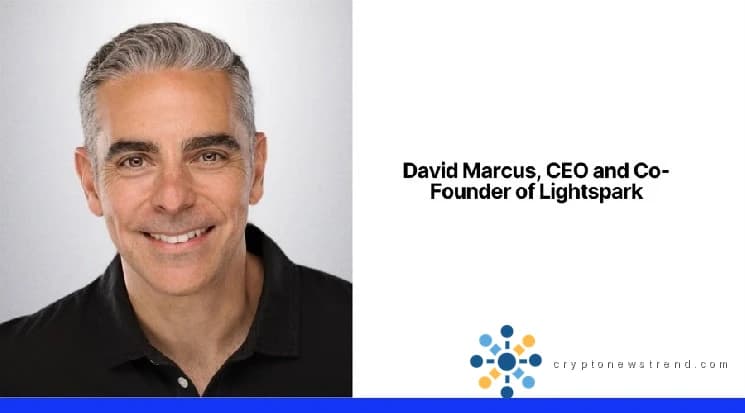
David Marcus, the former CEO of PayPal and the executive who led Meta’s shelved Libra digital currency project, is making a new push to rebuild banking on stablecoin rails.
He now runs Lightspark, which has unveiled an API-based product that gives platforms and AI agents access to dollar accounts, payments and cards on top of Bitcoin and stablecoin infrastructure.
The latest offering launch pushes Banking-as-a-Service into the stablecoin era, giving platforms and AI agents access to dollar accounts, payments and cards over Bitcoin-based rails instead of traditional bank stacks.
The move marks a new phase in Marcus’s long-running effort to make money move like internet data, and it comes as regulators and businesses start to treat stablecoins and agent-driven interfaces as mainstream infrastructure.
Onchain BaaS for Platforms and Agents
According to a Tuesday post, Marcus explained that the product lets companies offer branded dollar accounts, stablecoin balances, yield, payments and cards, with Bitcoin and stablecoins handling settlement in the background rather than sponsor-bank sub-ledgers.
In practical terms, Lightspark’s Grid Global Accounts compete most directly with emerging stablecoin-native banking stacks that let platforms embed accounts, payments and yield behind an API. Offerings around Stripe’s Bridge, Agora and Bastion, for example, focus on either white-label stablecoin issuance, enterprise stablecoin infrastructure, or stablecoin payments that settle into fiat balances.
Continue reading: Dollar-Pegged Stablecoins Surge to $313B in Risk-Off Pivot amid US–Iran Conflict
Lightspark built the accounts on top of its Grid network and Spark, a Bitcoin Layer 2 that supports stablecoin issuance and low-cost transactions while remaining compatible with Lightning. The firm already connects to real-time and domestic payment systems in over 65 countries and works with partners such as Cross River Bank to support 24/7 fiat settlement via RTP, FedNow and multi-rail infrastructure.
“Marcus has THE most fascinating back story: Former CEO of PayPal, has moved money traditionally and is behind Libra at Meta a global bank account and "stablecoin" that regulators pushed back on,” Simon Taylor, the Founder of FintechBrainfood observed. “Now this is a global stablecoin bank account distributed through an API, post-$GENIUS Act, sold to businesses and machines.”
Marcus positions the launch as an alternative to classic BaaS architectures built on middleware, card processors and FBO accounts at sponsor banks. He argues that in the legacy model, platforms build user relationships but lose fees and data to intermediaries each time money moves, while under the new model they keep yield, interchange and FX margin alongside transactional intelligence.
Regulatory Clarity and AI Agents Shape the Timing
Lightspark’s announcement leans on a changed regulatory and technology backdrop compared with Marcus’s earlier Libra attempt at Meta. Since then, the US $GENIUS Act has created a federal framework for payment stablecoins, and MiCA has taken effect in the EU, giving enterprises clearer rules on issuance, reserves and supervision.
Meta’s Libra project, which Marcus led before it rebranded to Diem, never made it to full launch after intense pushback from regulators and policymakers around the world.
Facebook announced Libra in 2019 as a global stablecoin backed by a basket of currencies and governed by the Libra Association, but the plan quickly drew scrutiny from US and European authorities over monetary sovereignty, financial stability and data concerns, prompting high-profile backers such as Visa, Mastercard and PayPal to walk away.
Under pressure, the initiative pivoted to a narrower model of single-currency stablecoins and rebranded as Diem, yet it still failed to secure regulatory comfort; by early 2022 the Diem Association agreed to sell its intellectual property and other assets to Silvergate Capital for about 182 million dollars, effectively winding down the project and forcing Meta to shut its linked Novi wallet pilot later that year.