
Federal Administration Submits artificial intelligence Regulatory Blueprint to Lawmakers as Regional Initiatives Gain Momentum
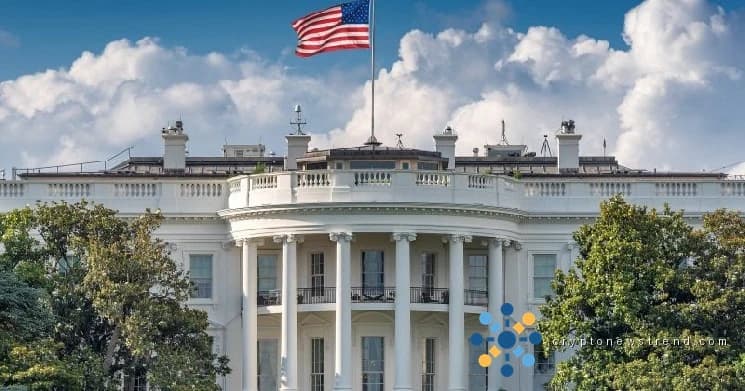
On March 20, 2026, the Trump administration unveiled a comprehensive National Policy Framework for Artificial Intelligence, outlining a set of guidelines aimed at establishing a unified federal standard for the AI industry. This framework, which encompasses seven key areas, marks a significant step towards creating a cohesive national approach, rather than allowing individual states to dictate their own regulations. The seven areas of focus include safeguarding children, bolstering AI infrastructure security, protecting intellectual property rights, preserving free speech, and fostering workforce development.
These objectives serve as a roadmap for Congress, providing a foundation for potential legislation that would need to be enacted to bring these recommendations into effect. Notably, the framework is non-binding, meaning that existing state regulations, such as those in California and New York, remain intact unless Congress chooses to act on these proposals.
The development of this framework builds upon two preceding administration initiatives: the AI Action Plan introduced in July 2025, which outlined the administration's overarching vision, and an executive order issued on December 11, 2025, which specifically mandated the creation of this framework. David Sacks, the former Special Advisor for AI and Crypto at the White House, played a pivotal role in shaping these policies prior to his departure from the role on March 26, 2026.
The primary motivation behind this framework is to address the fragmentation of AI regulations at the state level, which can lead to undue burdens on companies navigating multiple regulatory landscapes. The absence of a unified federal framework has resulted in a patchwork of state-specific regulations, with California and New York being notable examples. In contrast, the European Union's AI Act has established a single, cohesive framework for European companies, while China has also consolidated its AI governance under national directives.
For investors, the framework's silence on digital assets and blockchain-specific AI applications is striking, particularly given David Sacks' dual role in advising on both AI and crypto matters. This omission suggests that the regulation of digital assets may continue to follow a separate legislative path, potentially leaving blockchain companies in a state of regulatory uncertainty, even if the AI industry benefits from clearer guidelines.