
Financial Institutions and Digital Asset Industry Near Landmark Accord, Yet Hurdles Remain on Path to Regulatory Transparency
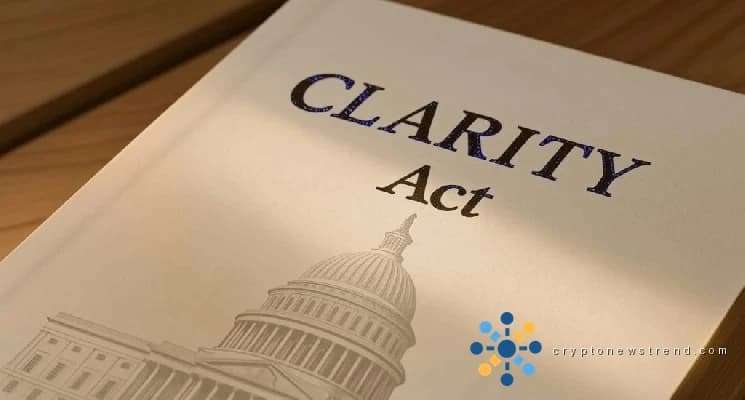
In the United States, a rift is widening between the banking and cryptocurrency sectors, particularly with regards to stablecoins. A coalition of trade associations from the American banking industry has submitted a formal appeal to the Senate Banking Committee, urging substantial revisions to the incentive systems outlined in the proposed Tillis-Alsobrooks stablecoin agreement, slated for consideration as early as next week. The banking fraternity contends that the existing provisions would create loopholes, enabling users to sidestep restrictions on stablecoin rewards and, in turn, incentivizing them to bolster their stablecoin holdings at the expense of traditional bank deposits.
The banking institutions' concerns are rooted in the potential for the proposed regulations to siphon deposits away from the traditional banking system, as customers seek to maximize their returns by accumulating stablecoins. This apprehension is palpable in the letter, which cautions that the draft language "would have the unintended consequence of encouraging customers to prioritize stablecoin balances over deposits, thereby undermining the stability of the financial system."
The banking sector's misgivings have been further underscored by the recent compromise between Senators Thom Tillis and Angela Alsobrooks, which aims to restrict stablecoin issuers from offering direct returns to users. However, the banking lobby argues that the current exceptions incorporated into the bill would effectively nullify this ban, permitting stablecoin issuers to continue offering incentives that could lure deposits away from banks.
As the Senate Banking Committee prepares to deliberate on the cryptocurrency market structure bill, the banking sector's warning has sent a clarion call to lawmakers, highlighting the potential consequences of the proposed regulations on the traditional banking system. With the committee's consideration of the bill imminent, industry stakeholders are closely watching developments in Washington, cognizant of the far-reaching implications of the legislative outcome. Amidst this backdrop, major banks have also revised their projections regarding the timing of the Federal Reserve's interest rate cuts, underscoring the complexities and interconnectedness of the financial landscape.