
Global Shipping Giant Suffers Massive Quarterly Deficit as Regional Turmoil Takes Toll
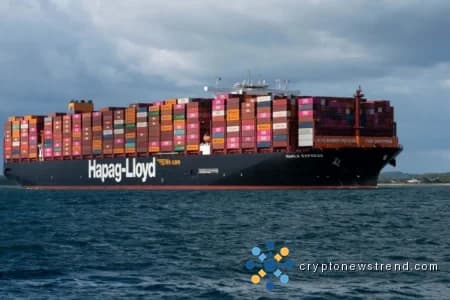
In a stark contrast to its previous year's performance, Hapag-Lloyd, the German container shipping behemoth, reported a dismal first-quarter net loss of $256 million for 2026, a significant reversal from the $469 million profit it achieved in the same quarter last year. Nevertheless, the company's shares defied this negative trend, rising by approximately 2.65% during morning trading sessions. This unexpected uptick may be attributed to the company's reaffirmed full-year outlook, which seems to have instilled a sense of optimism among investors.
A closer examination of the company's key metrics for the first quarter of 2026 reveals a complex picture. Revenue stood at €4.20 billion, which, although lower than the previous year's figure, exceeded analysts' expectations of $3.9 billion. The company's EBITDA for the quarter came in at 422 million euros, substantially lower than the 1.05 billion euros recorded in the same period last year. However, this figure slightly surpassed consensus estimates of 407 million euros.
According to Rolf Habben Jansen, Chief Executive of Hapag-Lloyd, the quarter was "unsatisfactory" due to a combination of adverse weather conditions and downward pressure on shipping rates. The company faced significant disruptions to its operations, particularly in late February, when escalating tensions in the Middle East forced it to suspend services through the Strait of Hormuz and Gulf of Oman corridors. As a result, vessels were forced to take longer alternative routes, leading to increased transit times and operational expenses.
The company's shipping volumes declined by 0.7% during the quarter, while average freight rates plummeted by 9.5%, reflecting softer market demand. Transportation expenses decreased by 6%, partly due to favorable currency movements resulting from a weaker US dollar relative to the euro. However, excluding the impact of foreign exchange, these costs would have actually increased by 4.6%, primarily due to the routing complications and extended voyage times caused by the Middle East tensions.
Severe weather conditions in European and North American regions further exacerbated the company's challenges, leading to port congestion and additional supply chain bottlenecks. The situation surrounding the Strait of Hormuz reached a critical point in March, introducing additional cost pressures that the company struggled to mitigate. Despite these challenges, management expressed optimism that anticipated improvements in average freight rates would help counterbalance rising expenses in the coming months.
Notably, Hapag-Lloyd maintained its full-year EBITDA guidance, which ranges from $1.1 billion to $3.1 billion, with EBIT projected to fall between a loss of 1.3 billion euros and a gain of 400 million euros. This unusually broad forecast range reflects the company's acknowledgement of the considerable uncertainty surrounding freight rate trajectories and regional conflict developments throughout the remainder of the year. As the fifth-largest container shipping operator globally, Hapag-Lloyd's performance is closely tied to the broader industry trends affecting the maritime transport sector. The company continues to closely monitor developments in the Middle East, making adjustments to its routing decisions as circumstances evolve.