
Gold falls on oil-driven inflation worries as US-Iran talks falter
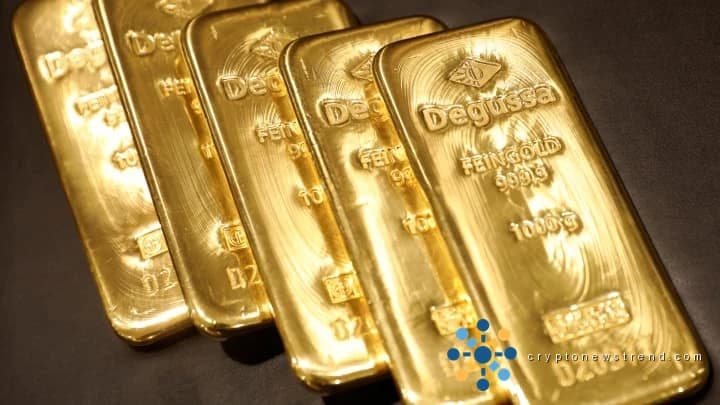
Gold had a rough day. Spot prices slid 0.6% to $4,684.32 per ounce on May 11, while US gold futures fell even harder, dropping 0.8% to $4,692.70.
The catalyst: President Trump rejected Iran’s response to a US peace proposal, effectively torpedoing any near-term hopes for resolving a conflict now stretching into its tenth week. That diplomatic collapse sent crude oil prices climbing, reignited inflation fears, and handed the dollar a boost, all of which conspired to push gold lower.
Why gold is losing its safe-haven shine
The mechanism is straightforward. When US-Iran talks collapse, oil traders price in supply disruption risk, particularly around the Strait of Hormuz. That critical chokepoint handles a massive share of global crude shipments. Threatened supply means higher oil prices. Higher oil prices feed directly into inflation expectations.
And when inflation expectations rise, so do expectations for elevated interest rates. The Federal Reserve can’t exactly cut rates when energy costs are pushing consumer prices higher. Gold, which pays no yield, becomes less attractive relative to interest-bearing assets when rates stay high or climb further.
Meanwhile, the US dollar strengthened on the back of those same rate expectations. A stronger dollar makes gold more expensive for international buyers, who represent a significant chunk of global demand.
The ten-week conflict and its market footprint
The US-Iran standoff has now persisted for ten weeks, and its ripple effects across global energy markets have been substantial. The Strait of Hormuz remains a central pressure point. Any escalation near that waterway doesn’t just affect regional politics. It threatens the plumbing of global oil supply.
President Trump’s rejection of Iran’s peace proposal removed the most obvious path to de-escalation.
What this means for investors
Analysts currently project spot gold to trade in a range between $4,400 and $4,800 as geopolitical conditions remain unresolved. That’s a relatively wide band, reflecting genuine uncertainty about which forces will dominate in the coming weeks.
The lower end of that range comes into play if oil prices continue climbing, the dollar keeps strengthening, and the Fed signals that rate cuts are off the table for longer. The upper end becomes more plausible if the conflict escalates to the point where pure fear-driven demand overwhelms the macro headwinds.