
Investors Take Note: 2026 Holiday Trading Hours Revealed for US Exchanges
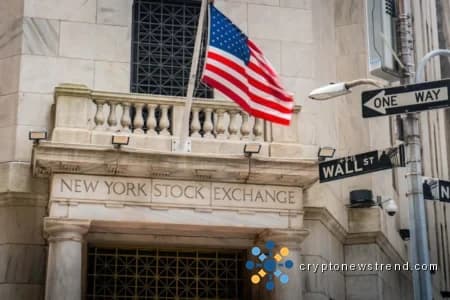
Table of Contents American financial markets observe Memorial Day with a full closure on Monday, May 25, 2026. Both the New York Stock Exchange and Nasdaq Stock Market will remain shuttered until Tuesday’s opening bell. This trading pause follows an eventful period on Wall Street. Market participants had been monitoring quarterly financial reports from Nvidia and observing price action in quantum computing equities. Fixed-income markets concluded early on Friday and will not resume until Tuesday. Over-the-counter trading platforms are similarly inactive throughout the holiday. The nation’s largest financial institutions are observing the holiday. Bank of America, Wells Fargo, Citibank, and JPMorgan Chase are all adhering to the Federal Reserve’s published holiday calendar. U.S. Postal Service facilities are closed today. The agency recognizes Memorial Day as one of eleven official holidays throughout the year. FedEx has paused the majority of its delivery operations, although FedEx Custom Critical maintains service. UPS has halted regular pickup and delivery routes, but its Express Critical offering continues operating 24/7. Since Memorial Day is exclusively an American federal observance, international trading venues operate normally. The Shanghai Stock Exchange, Stock Exchange of Hong Kong, Tokyo Stock Exchange, and Euronext Paris all maintain their standard trading sessions today. Investors frequently reference the adage “sell in May and go away” when discussing seasonal trading strategies. This conventional wisdom suggests that summer typically delivers underwhelming performance. Historical evidence presents a nuanced picture. Analyzing 20 years of data, the S&P 500 has delivered average May returns of 0.5%. Narrowing the timeframe to the most recent decade shows improved performance at approximately 1.5%. June’s track record shows average gains of just 0.2% across 20 years, while the more recent 10-year period reflects stronger performance at roughly 1.9%. July historically demonstrates more robust performance, averaging 3.4% gains over the past decade. August typically brings moderate advances. The benchmark index has averaged 0.9% in August over the last ten years and 0.2% across twenty years. September consistently ranks as the calendar’s weakest month. Over the past decade, the index has declined an average of 1.3% during September. Certain market observers also monitor the “holiday effect” phenomenon. This pattern describes a market tendency to climb modestly ahead of holidays, followed by softer performance afterward. Experts attribute this behavior partially to elevated consumer activity and partially to diminished trading volume as many professionals take vacation time. Standard market hours resume Tuesday, May 27, with the opening bell at 9:30 a.m. Eastern Time. Discover top-performing stocks in AI, Crypto, and Technology with expert analysis.