
Kyobo Life Insurance Launches Digital Asset Unit for Blockchain and Stablecoin Ventures
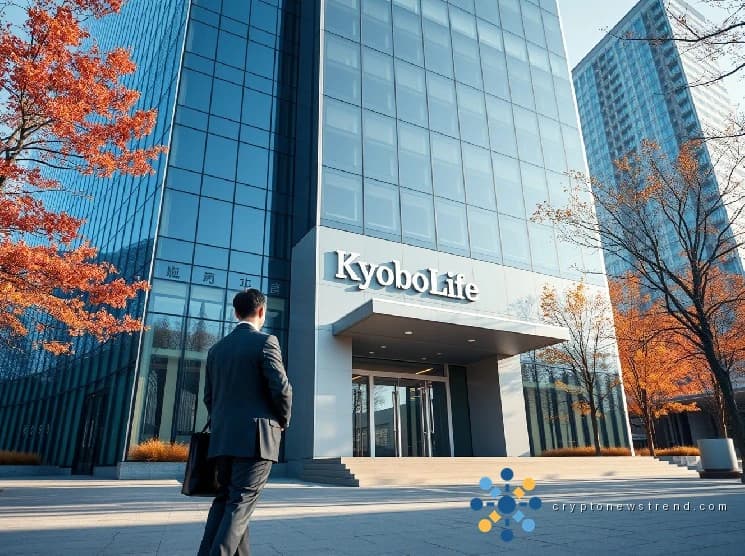
Kyobo Life Insurance has established a dedicated digital asset organization within its group structure, signaling a significant move by one of South Korea’s largest life insurers into blockchain-based financial services. The new unit, formed last month, is expected to develop a mid-to-long-term digital asset roadmap for the entire Kyobo Group, according to a report from the Korea Economic Daily.
Strategic Shift Toward Digital Assets
The creation of this specialized division marks a notable pivot for a traditional insurance giant. Company job postings from the first half of this year indicate that Kyobo Life is actively planning business initiatives centered on stablecoins, security token offerings (STOs), and Web3 technologies. These are not exploratory efforts but concrete steps toward building a regulated digital asset infrastructure.
Among the specific plans under consideration are the establishment of a specialized overseas subsidiary for digital assets, facilitating cross-border payments, and utilizing stablecoins for internal or client-facing transactions. This suggests Kyobo is looking beyond mere investment and toward operational integration of blockchain technology.
Context and Market Implications
Kyobo Life’s move comes amid a broader institutional embrace of digital assets in South Korea, where regulators have been cautiously opening the door to security token offerings and stablecoin frameworks. The insurance sector, traditionally conservative, is now exploring how blockchain can reduce costs, improve settlement speeds, and create new revenue streams.
For Kyobo, the establishment of a dedicated unit rather than a pilot project indicates a long-term commitment. The company appears to be positioning itself to offer tokenized insurance products, use stablecoins for premium collections and claims payouts, and potentially issue its own digital assets under regulatory approval.
What This Means for the Insurance Industry
If Kyobo Life successfully executes its digital asset roadmap, it could set a precedent for other insurers in Asia. The integration of stablecoins and STOs into insurance operations could streamline cross-border transactions, reduce currency risk, and offer policyholders new forms of value transfer. However, regulatory hurdles and market volatility remain significant challenges.
Conclusion
Kyobo Life Insurance’s decision to formalize a digital asset division reflects a strategic recognition that blockchain technology is becoming integral to financial services. While the specific products and timelines remain under development, the insurer’s proactive stance places it at the forefront of institutional blockchain adoption in South Korea’s insurance sector. The coming months will reveal whether this initiative translates into market-ready offerings or remains a preparatory framework.
FAQs
Q1: Why is Kyobo Life Insurance starting a digital asset unit?A1: Kyobo Life aims to explore blockchain-based business models including stablecoins, security token offerings, and Web3 services. The unit will develop a group-wide digital asset strategy to modernize operations and create new revenue opportunities.
Q2: What specific blockchain initiatives is Kyobo considering?A2: According to job postings, Kyobo is planning stablecoin usage, security token offerings (STOs), cross-border payment facilitation, and establishing an overseas digital asset subsidiary. These initiatives are in the planning and development phase.
Q3: How does this affect the broader insurance industry?A3: Kyobo’s move signals growing institutional confidence in blockchain technology. If successful, it could encourage other insurers to adopt similar digital asset strategies, potentially transforming how insurance products are issued, settled, and traded.