
Massive Tech Sector Downsizing Accelerates, With Nearly 8,000 Positions Slashed Amid Meta's AI Expansion
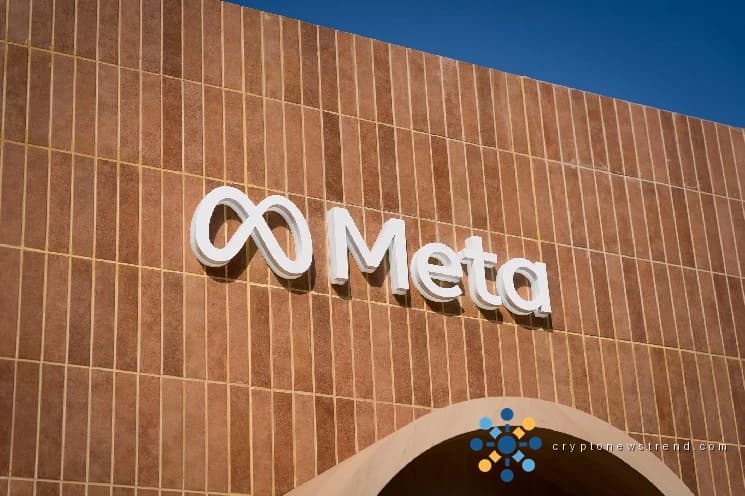
The tech industry is undergoing a significant transformation, driven by the increasing adoption of artificial intelligence. Meta's CEO, Mark Zuckerberg, has highlighted the growing trend of AI enabling individual talent to accomplish tasks that previously required large teams. This shift has led to a wave of layoffs, with Meta being the latest to announce job cuts, totaling around 8,000 positions, or approximately 10% of its 79,000-strong workforce, starting May 20.
The writing was on the wall, and investors had been anticipating the move. On the prediction market platform Polymarket, which is backed by Intercontinental Exchange, users had been betting on the likelihood of Meta layoffs, with around $112,000 in combined volume across relevant markets. The platform's data suggested that the market had already priced in the job cuts, viewing them as a positive development for the company's stock. In fact, a separate market on Meta's stock price had already factored in the layoffs, with an 85% chance of the stock clearing $700 and a 42% chance of reaching $730.
The predictions on Polymarket are not isolated, with the broader tech industry also expected to see significant layoffs. The platform's "Tech Layoffs Up or Down in 2026?" market has been steadily rising, currently sitting at 77.5% in favor of increased layoffs, with a notable $22,800 in lifetime volume. Kalshi, a competitor to Polymarket, has also reported significant volume on its information-sector layoffs market, with over $30 million in bets placed.
The data from TrueUp's layoffs page supports this trend, with over 95,000 tech layoffs reported across more than 240 events so far this year. This represents a significant increase from the 30,000 layoffs reported in Q1 2025. The pace of layoffs is expected to continue, with notable companies such as Qualcomm and Meta announcing new reductions.
The layoffs at Meta are seen as a strategic move to invest in AI infrastructure, with the company expected to save between $7 billion and $8 billion annually through restructuring. Wall Street has been bullish on the move, with Bank of America setting a price target of $885 for Meta stock. The company's AI-driven cost and performance advantage is expected to be a key differentiator, with analysts such as Bernstein's Mark Shmulik highlighting the potential for Meta to gain a significant edge over its competitors.
The trend of AI-driven layoffs is not limited to Meta, with other industry leaders such as Amazon's Andy Jassy and Salesforce's Marc Benioff also highlighting the potential for AI to reduce workforce needs. Twitter founder Jack Dorsey has also been at the forefront of this shift, with his payments firm Block cutting 8% of its workforce and rebranding the remaining employees as "AI agents."
As the tech industry continues to evolve, prediction markets such as Polymarket are playing an increasingly important role in providing real-time insights into emerging trends. With its DeFi rails and integration with ICE terminals, Polymarket is positioning itself as a leader in the space. The platform's ability to provide accurate predictions on tech layoffs is a testament to its potential, with the market correctly pricing in the likelihood of job cuts at Meta and other companies.
Looking ahead, two key dates will be closely watched: Meta's first-quarter earnings report on April 29 and the expected layoffs on May 20. If the company's earnings beat consensus and the layoffs do not trigger a significant stock reversal, the market is likely to continue to drift higher, with the AI-driven narrative gaining further traction. However, if the earnings disappoint or the layoffs spark a backlash, the market may quickly turn against the company. As Aravind Srinivas, a expert in the field, noted, "A recruiter's work worth one week is just one prompt," highlighting the potential for AI to significantly disrupt traditional workforce models.