
Middle East petroleum dynamics shift as longstanding OPEC member abandons alliance, sparking regional rifts.
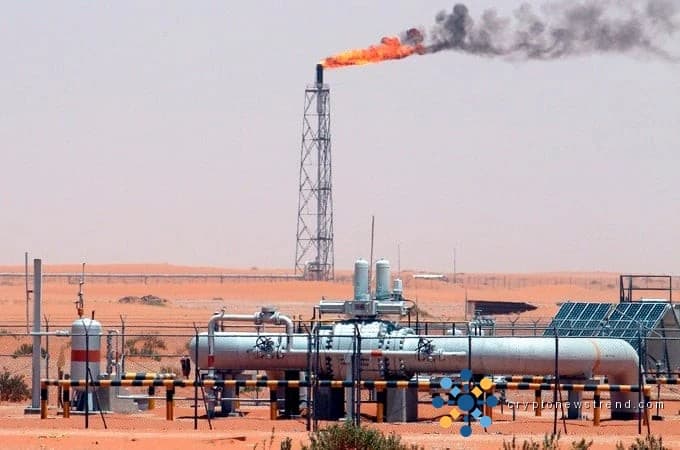
The United Arab Emirates is leaving OPEC. After nearly 59 years as a member of the oil cartel, the UAE announced its exit from both OPEC and OPEC+, effective May 1, 2026. The decision unshackles one of the world’s largest petroleum producers from the quota system that has governed its output for decades.
The UAE was pumping approximately 3.5 million barrels per day before the planned exit, making it the seventh-largest oil producer globally. With quota restrictions removed, more than 1 million additional barrels per day could theoretically hit the open market. For context, that is roughly the entire daily oil consumption of a country like Spain.
A decades-old rivalry resurfaces
The fracture between the UAE and Saudi Arabia, the de facto leader of OPEC, did not materialize overnight. Tensions between the two Gulf states trace back to territorial disputes in the 1950s over the Buraimi oasis, a contested patch of desert suspected of sitting atop significant oil reserves.
More recently, the friction has centered on two flashpoints: disagreements over oil production quotas within OPEC, and diverging strategies around regional proxy conflicts, particularly in Yemen. The Iran war has added another layer, disrupting key oil supply routes and forcing Gulf producers to recalculate their strategic priorities in real time.
The breaking point appears to be a fundamental disagreement about where each country’s economy is headed. Saudi Arabia remains deeply invested in managing oil prices to fund its Vision 2030 diversification plan. The UAE, meanwhile, has pivoted toward a strategy that ties its economy more broadly to global growth rather than crude prices alone, making production flexibility a national priority rather than a luxury.
What this means for oil markets
If the UAE ramps production to fill the gap between its previous quota and its actual capacity, global oil supply expands. That math is especially potent given that post-war conditions could reopen shipping routes through the Strait of Hormuz and surrounding waters, further easing supply bottlenecks that have kept prices elevated.
Oil-importing nations stand to benefit. China, the world’s largest crude importer, would welcome cheaper barrels at a time when its manufacturing sector is hungry for fuel.
Crypto and energy market crossover
The UAE itself has become a major hub for digital asset firms and blockchain infrastructure. Dubai and Abu Dhabi have aggressively courted crypto exchanges, Web3 startups, and institutional trading desks over the past several years. The country’s willingness to break from OPEC signals a broader strategic independence that extends well beyond hydrocarbons, suggesting the UAE is betting that its economic future lies in technology, finance, and trade rather than in coordinated petroleum diplomacy.
Volatility in crude prices tends to ripple into tokenized oil products and energy-focused DeFi protocols. A sustained period of oil price uncertainty could drive more speculative activity into these instruments as traders look for leveraged exposure to energy markets outside traditional futures exchanges.