
Monterey Park voters approve first US citywide data center ban
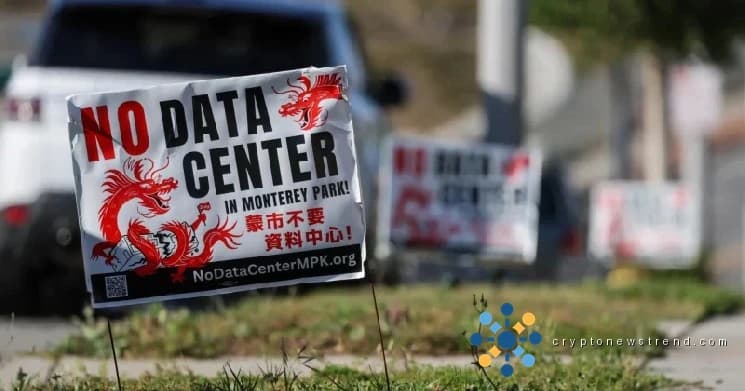
A small city just east of Los Angeles just did something no American city has done before: it told data centers to stay out, permanently.
Monterey Park voters approved Measure NDC on June 2 with 86.27% support, a margin so lopsided it barely qualifies as a contest. The final tally was 6,316 yes votes to 1,005 no votes. The measure bans all data center development within city limits unless future voters decide to reverse it.
Advertisement
What triggered the ban
The story starts with a proposal from Australian developer DigiCo Infrastructure REIT, which pitched a 247,000-square-foot data center facility in the city. Opponents argued the project would triple Monterey Park’s electricity consumption. In a city of roughly 60,000 people, that claim hit hard.
Public pushback was immediate and fierce. In January 2026, the city council enacted a temporary moratorium on data center development while it figured out next steps. By March, the council had unanimously voted to put a permanent ban on the ballot.
The bigger picture for crypto and AI infrastructure
Monterey Park isn’t an isolated case. Multiple localities have already taken aim at energy-intensive computing operations. Fort Worth, Texas, and Canton, North Carolina, are among the communities that have enacted restrictions targeting data centers and crypto mining facilities. The common thread is always the same: electricity demand, noise, environmental impact, and the question of whether a handful of jobs justifies the strain on local infrastructure.
What this means for investors
The immediate market impact of one city’s ban is minimal. Monterey Park was never going to be a hub for crypto mining or hyperscale computing. But the precedent matters enormously.
The Monterey Park ban was driven by a voter initiative, not a top-down regulatory action. That means it’s sticky. Repealing it requires another public vote, which creates a durable barrier that industry lobbying alone can’t easily overcome. Other communities watching this result now have a proven template for doing the same thing.