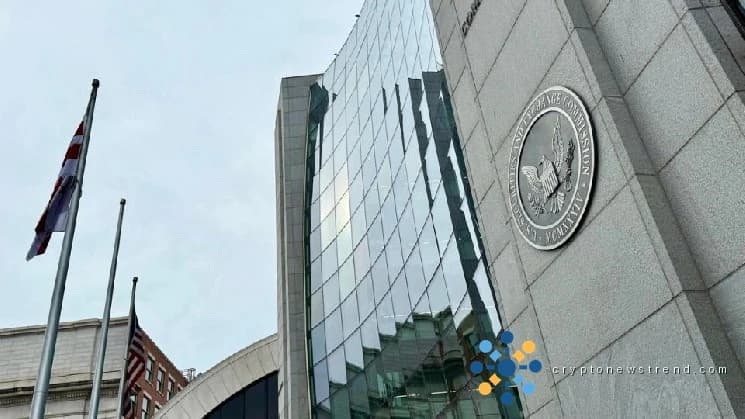

The U.S. Securities and Exchange Commission (SEC) delayed its plan to allow tokenized U.S. stocks last week, prompting immediate commentary from investors and analysts. Michael Burry, famed for forecasting the 2008 financial crisis, warned that the postponed rule could spark a systemic disaster. His alert centers on the infrastructure needed to support blockchain‑based securities rather than the tokenization concept itself.
Regulatory Delay and Immediate Reactions
The SEC’s postponement reflects concerns that existing compliance frameworks cannot handle real‑time settlement of tokenized equities. Investors fear that a lag in regulatory clarity could stall market adoption of crypto‑linked stocks. Meanwhile, industry leaders stress that a swift rule‑making process is essential for maintaining confidence in the emerging market.
Compliance Challenges for Real‑Time Tokenized Trading
Current settlement cycles span one to two days, a timeline incompatible with the instantaneous execution demanded by blockchain platforms. To enable tokenized U.S. equities, compliance systems must evaluate trades as they occur, ensuring that every transaction meets regulatory standards. Without such upgrades, investors risk exposure to unmonitored activity and potential legal breaches.
Historical Fraud Cases Highlight Systemic Risks
The Lazarus Group’s exploitation of Tornado Cash and the Ronin Bridge demonstrates how sophisticated actors can bypass traditional compliance checks. Although sanctioned wallets and prohibited tokens were absent, $600 million vanished through cross‑jurisdictional wallet hopping, eluding earlier detection tools. Similar lapses occurred when FTX complied with regulations until customer funds were commingled, underscoring the need for robust, real‑time oversight in the crypto market.