
Pharmaceutical Giant's Shares Soar After Multibillion-Dollar Purchase of Immunization Firm
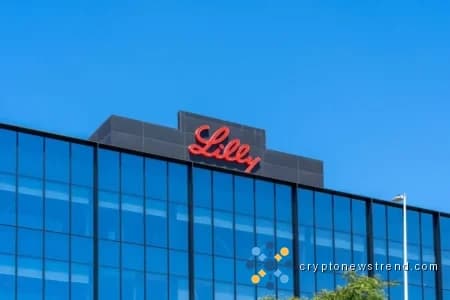
Table of Contents Eli Lilly is deploying nearly $4 billion in capital to establish a foothold in infectious disease prevention. On Tuesday, the pharmaceutical company revealed it has reached agreements to purchase three biotech companies: Curevo, LimmaTech Biologics, and the Vaccine Company. Eli Lilly and Company, LLY Shares of LLY gained between 1.3% and 1.6% in premarket activity following the announcement. Each acquisition is structured with initial payments alongside potential future milestone-based payments linked to regulatory and commercial achievements. The three transactions collectively represent approximately $3.83 billion in total potential value. This strategic expansion signals a notable departure for a pharmaceutical company predominantly recognized for its highly successful GLP-1 medications. Daniel Skovronsky, Lilly’s chief scientific and product officer, articulated the rationale clearly: “These acquisitions reflect a deliberate strategy to prevent disease at its source rather than treat its consequences.” Curevo represents the most substantial transaction at a potential $1.5 billion. The biotech has engineered a shingles vaccine utilizing a synthetic adjuvant — intended to enhance immune system activation while minimizing adverse reactions relative to currently available treatments. The Vaccine Company acquisition follows closely with a valuation reaching $1.55 billion. The company utilizes In Vivo Nanoparticle technology to combat viral pathogens, with primary emphasis on the Epstein-Barr virus — a widespread infection lacking any approved preventive vaccine. LimmaTech completes the acquisition trio with a value of up to $780 million. The company’s development pipeline addresses bacterial pathogens, including Neisseria gonorrhoeae and chlamydia trachomatis — organisms where antibiotic resistance presents an escalating medical challenge. Lilly’s purchasing strategy is financed through extraordinary commercial performance of its metabolic disease therapies. During the first quarter, Zepbound generated $4.16 billion in U.S. revenue, while Mounjaro contributed $4.2 billion. This financial strength has positioned Lilly to diversify significantly beyond its weight management portfolio. The three vaccine acquisitions represent a continuation of Lilly’s strategy to allocate resources into emerging therapeutic categories while expanding its development pipeline. The pharmaceutical company currently commands a 60.1% market share in the U.S. obesity medication sector, with competitor Novo Nordisk holding 39.4%. Lilly also introduced Foundayo, its recently approved oral GLP-1 obesity medication, during the second quarter. Each acquisition addresses a specific unmet medical need where effective vaccines are either unavailable or require enhancement. Shingles impacts approximately one in three Americans during their lifetime. The Epstein-Barr virus has infected roughly 90% of the adult population worldwide and has been associated with specific malignancies and multiple sclerosis. Bacterial sexually transmitted infections such as gonorrhea increasingly demonstrate resistance to available antibiotic therapies. Lilly has not revealed the precise upfront payment figures for any transaction, disclosing only the aggregate potential valuations including milestone payments. The Wall Street Journal initially reported the transactions Tuesday morning prior to Lilly’s formal disclosure.