
Regulatory Framework for Digital Assets Takes Shape as Congressional Support Swells
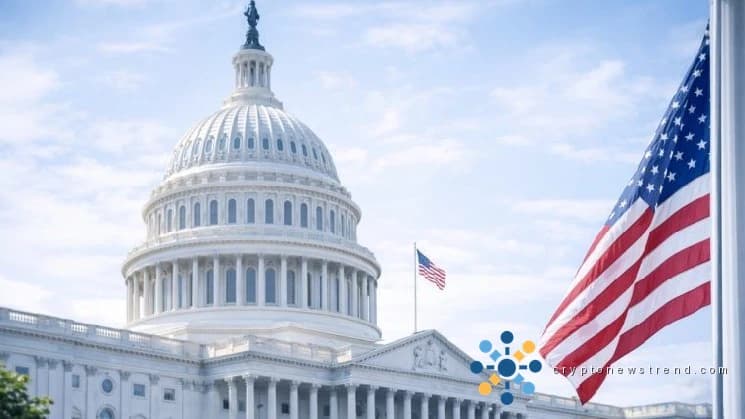
The campaign to establish federal regulations for digital asset markets is gaining significant traction, with the CLARITY Act garnering widespread support from influential figures across the political spectrum and industry landscape. This burgeoning momentum is driven by concerns that the United States may relinquish its leadership in the global digital finance arena if it fails to adopt a comprehensive framework for digital assets.
A diverse coalition of stakeholders, including congressional leaders, industry organizations, consumer advocacy groups, national security experts, and President Donald Trump, has coalesced around the CLARITY Act. Prominent backers of the bill include Senator Cynthia Lummis, who has been vocal about the need for swift action, warning that delays will enable other jurisdictions to dictate the terms of digital finance. In a recent social media post, Lummis emphasized that the CLARITY Act is essential for creating a level playing field that fosters innovation and allows the best ideas to flourish.
The proposed legislation has been framed as a crucial measure for ensuring market certainty, safeguarding consumers, and promoting American innovation. According to Senator Tim Scott, the bill prioritizes consumer protection, combats illicit finance, and prevents foreign adversaries from exploiting vulnerabilities in the US financial system. Representative Glenn Thompson has also highlighted the potential of the CLARITY Act to unlock entrepreneurship and establish the United States as a global standard-bearer for digital innovation.
The Digital Asset Market Clarity Act of 2025 aims to establish a federal framework for digital asset markets, dividing oversight between the Securities and Exchange Commission (SEC) and the Commodity Futures Trading Commission (CFTC). The bill would provide clarity on token classification, disclosure requirements, custody, exchanges, brokers, and consumer protections. Having already cleared the House in July 2025 and the Senate Banking Committee in May 2026, the legislation must now navigate the full Senate before any differences with the House version can be reconciled and the final bill sent to the president for signature.
Despite growing support, critics continue to push for more robust safeguards to address concerns around conflicts of interest, illicit finance, and broader market risks. However, proponents argue that the CLARITY Act is a vital step towards reducing regulatory uncertainty and fostering a more secure and innovative digital asset market. A recent poll found that 52% of voters support the proposal, while 70% believe that the United States should already have enacted crypto legislation. The measure has also garnered backing from over 160 national security veterans, AARP, and prominent industry players such as Ripple and A16z crypto.
As the Senate debate intensifies, Senator Lummis has cautioned that the window for digital asset legislation may not reopen until 2030, leaving developers and law enforcement vulnerable in the interim. With President Trump urging Congress to send the CLARITY Act to his desk, supporters are hopeful that the legislation will ultimately prevail, paving the way for the United States to assert its leadership in the global digital finance landscape.