
Tehran Seeks Compensation from Silicon Valley Heavyweights Over Subsea Data Routes
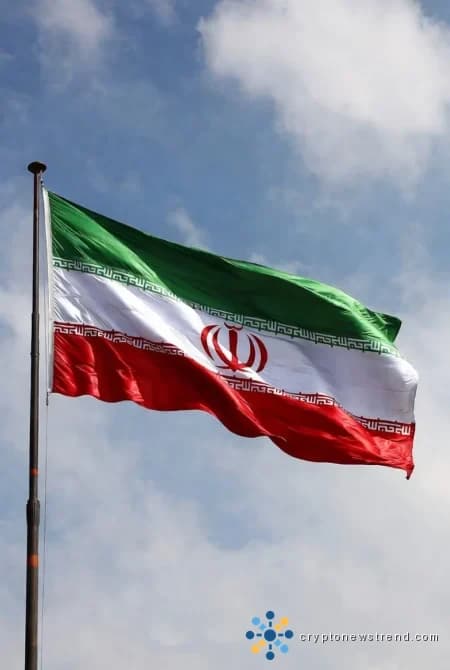
In a bid to harness the economic potential of its strategic control over the Strait of Hormuz, Iran is launching a series of initiatives aimed at generating revenue from maritime traffic and international tech corporations that utilize this critical waterway. The country's parliamentary committee on national security, chaired by Ebrahim Azizi, has developed a sophisticated framework to oversee and regulate maritime movement through the strait, with plans to unveil the details of this mechanism in the near future.
As part of this initiative, Iran intends to establish a collection system for vessels using the authorized shipping corridor, which will be reserved exclusively for commercial shipping operations and entities that maintain cooperative relations with Tehran. Notably, access to the strait will be permanently denied to operators associated with the "freedom project," a term used by Iranian officials to refer to former US President Donald Trump's "Project Freedom" initiative, which aimed to maintain open commercial navigation through the strait. Trump suspended this operation in early May, and Iran has since maintained an effective blockade of the strait, resulting in significant increases in international oil and natural gas prices.
The blockade has had far-reaching consequences, with approximately 20% of global petroleum supplies transiting through the strait. In response, Iranian authorities have been exploring alternative payment methods, including cryptocurrency collection, particularly Bitcoin, for transit payments. Additionally, European governments have reportedly initiated discussions with Iran's Revolutionary Guards naval forces regarding vessel passage arrangements, although the specific countries involved have not been disclosed.
Meanwhile, Trump has categorically rejected Iranian authority over the strait and has demanded its immediate reopening. Recent intelligence reports suggest that Trump is evaluating expanded military options against Iran, having previously declared that the regional ceasefire was hanging by a thread. In a separate development, Iranian authorities are now focusing on the subsea fiber-optic cable networks that run beneath the strait, which transmit critical internet traffic and financial transaction data connecting Europe, Asia, and Persian Gulf nations.
Ebrahim Zolfaghari, an Iranian military representative, announced on social media that Tehran would impose fees on internet cables, with government-aligned media outlets indicating that corporations such as Google, Microsoft, Meta, and Amazon would be required to adhere to Iranian regulations. The proposed framework would also grant exclusive maintenance and repair authorization to Iranian-based companies, raising questions about the country's enforcement capabilities. Existing US economic sanctions explicitly prohibit American companies from conducting financial transactions with Iran, leading some analysts to suggest that these announcements may be strategic posturing rather than actionable policy.
Security researcher Mostafa Ahmed warned that any deliberate attack on the cable networks could precipitate a "cascading digital catastrophe" with devastating consequences for banking infrastructure, military communications networks, and internet connectivity spanning multiple continents. According to TeleGeography, a telecommunications intelligence firm, two specific cables, Falcon and Gulf Bridge International, do traverse Iranian territorial waters, although the cable systems running through the Strait of Hormuz represent less than 1% of total global international bandwidth capacity as of 2025.
Iranian officials have drawn parallels between their strategy and Egypt's successful monetization of the Suez Canal, which generates hundreds of millions annually through cable transit fees. However, legal scholars argue that the two waterways operate under distinctly different international maritime law frameworks, highlighting the complexities and challenges associated with Iran's initiatives. As the situation continues to unfold, it remains to be seen how these developments will impact the global economy and the future of international trade and commerce.