
Trump administration plans to reduce tariffs on beef imports to lower prices
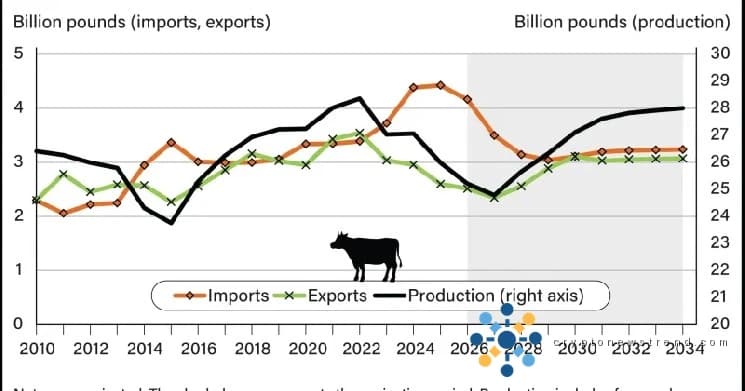
Ground beef in the US averaged $6.70 per pound in March 2026. That’s a 21% increase since Trump took office. The administration’s solution: cut the tariffs it helped create and let more foreign beef cross the border.
Executive orders signed on May 11, 2026, suspend tariff-rate quotas on beef and authorize 80,000 metric tons of tariff-free lean beef trims from Argentina on a quarterly basis.
What the executive orders actually do
By suspending those quotas, the administration is removing the velvet rope on imports. An additional 80,000 metric tons of lean beef trims from Argentina can now enter the US each quarter without triggering higher duties.
The broader package goes beyond beef. Exemptions from tariffs ranging between 10% and 40% extend to food items including coffee and bananas, structured through trade deals with Argentina and Central American nations.
These tariff reductions come with built-in expiration dates and restrictions. The imports aren’t permanent, and the carve-outs are designed specifically so the administration can tell ranchers it hasn’t abandoned them.
Why beef prices climbed this high
The US cattle herd has been shrinking for years, battered by drought conditions, rising feed costs, and supply chain disruptions that never fully resolved after the pandemic era.
The administration’s own tariff regime made the problem worse. Tariffs of 10% to 40% on imported food products restricted the flow of cheaper foreign beef that could have offset shrinking domestic supply.
The deregulatory side of the package includes increased Small Business Administration loans for ranchers, reductions in wolf protections, and eased ear tag regulations.
The rancher problem
American ranchers have watched this play out with a mix of anxiety and frustration. More imports mean more competition, and more competition means downward pressure on the prices ranchers receive for their cattle.
Industry leaders have expressed cautious optimism about the consumer benefits while flagging the risks to producer profitability.
The SBA loan expansions and deregulatory measures could help on the margins, but rebuilding a cattle herd takes two to three years minimum. In the meantime, ranchers will be competing with tariff-free Argentine beef in a market where their costs haven’t changed.