
UK Stablecoin Regulations May Be Eased as Key Bank of England Official Hints at Policy Shift
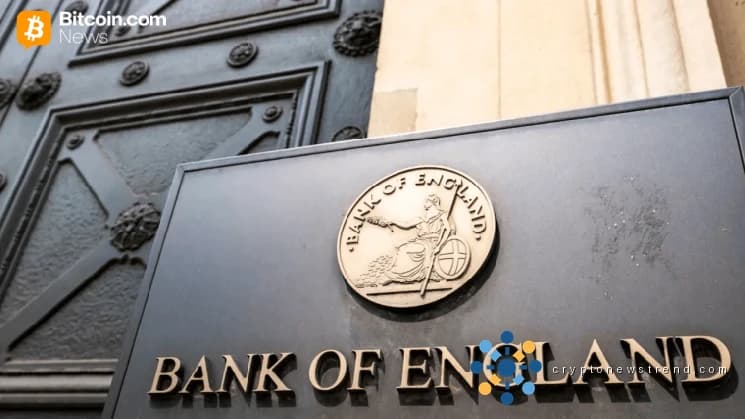
In a significant shift, the Bank of England is reevaluating its stance on stablecoins, acknowledging that its initial proposals may have been overly restrictive. Deputy Governor Sarah Breeden has conceded that the suggested limits on individual and business ownership of UK sterling-based stablecoins, which were intended to mitigate the risk of large deposit outflows from banks, may have been too stringent.
Breeden, who oversees financial stability at the UK central bank, revealed to the Financial Times that the Bank of England is carefully reassessing its approach to managing the risks associated with stablecoins. The initial proposal, which included capping individual ownership at 20,000 pounds per coin and businesses at 10 million pounds, was met with criticism from industry groups, who deemed the limits operationally cumbersome.
In response to this feedback, the Bank of England is considering alternative approaches to achieving its objectives. Breeden emphasized that the central bank is open to exploring different methods, stating, "We are genuinely open to thinking whether there are other ways of achieving our objective." This willingness to reassess its stance is a significant development, as it indicates that the Bank of England is committed to creating a regulatory environment that supports the growth of the digital assets sector.
Another key aspect of the stablecoin framework under review is the requirement for at least 40% of assets backing a UK stablecoin to be held on deposit at the central bank, earning no interest. This requirement, which is more stringent than those in the United States, has been criticized for making UK-based stablecoins less profitable to operate. Breeden acknowledged that this requirement may have been overly conservative, citing the experience of recent stress events, such as the 2023 Silicon Valley Bank collapse, as the basis for the initial decision.
The Bank of England's reassessment of its stablecoin framework is timely, as the UK risks falling behind in the global race to establish a competitive digital assets sector. With sterling-based stablecoins currently accounting for less than 0.5% of the global stablecoin market, which is valued at over $320 billion, the central bank is keen to create a regime that allows stablecoins to succeed and deliver benefits to users while ensuring their safety.
In a separate development, Breeden pushed back against market expectations of near-term interest rate hikes, stating that the Bank of England has time to understand the impact of recent shocks and the evolving economy before making any decisions. She also downplayed the risk of a sustained wage and price spiral resulting from the conflict in the Middle East, citing a softer labor market and restrictive monetary policy as mitigating factors.
The Bank of England's balance sheet reduction, which involves unwinding a 525 billion pound bond portfolio, has also been a subject of concern. However, Breeden described the estimated impact on long-term interest rates as "not enormous," suggesting that the central bank is managing the process effectively.
While a revised timeline for the stablecoin framework has not been finalized, Breeden's comments suggest that the Bank of England is prepared to move away from its original approach before any rules take effect. This shift in stance is a positive development for the digital assets industry, as it indicates that the central bank is committed to creating a regulatory environment that supports innovation and growth.