
US Treasury erases 80 outdated names from sanctions blacklist
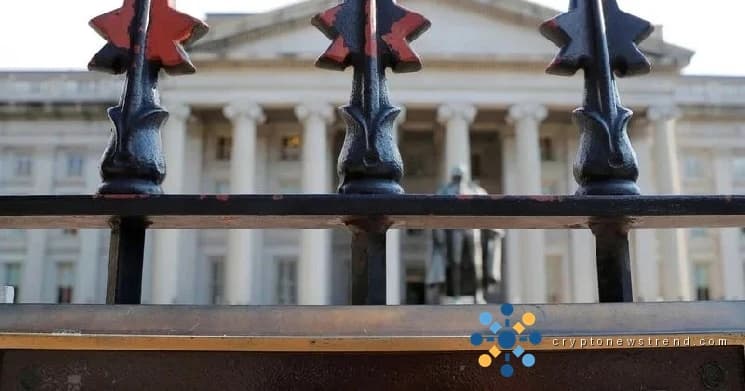
The US Treasury Department is scrubbing roughly 80 names from its Specially Designated Nationals and Blocked Persons list, the government’s master roster of people and entities that American companies and citizens are forbidden from doing business with. The deletions target dead people, shuttered companies, and other entries that have long outlived their usefulness.
A list that got very long, very fast
The SDN list currently exceeds 17,000 entries. To put that growth in perspective, the list contained roughly 880 designations in 2017. By 2024, that number had surged past 3,000, driven largely by escalating geopolitical tensions with Iran and Russia.
Every bank, brokerage, money transmitter, and crypto exchange operating under US jurisdiction has to screen customers and counterparties against those entries. When the list balloons but nobody bothers to prune the deadwood, compliance teams end up chasing ghosts, literally in the case of deceased designees.
Advertisement
Treasury Secretary Scott Bessent previewed the initiative during a speech in Paris on May 19, framing it as part of a broader philosophical shift. His core message: sanctions are not a “forever tool.” The implication is that designations should expire or be reviewed when they no longer serve a meaningful enforcement purpose.
What’s actually being removed
The roughly 80 entries slated for deletion fall into predictable categories: individuals who have died, companies that dissolved years ago, and other designations that the Treasury determined are effectively moot.
None of the removals involve crypto-related designations. No wallet addresses, no protocols, no exchanges. For an industry that has watched the Treasury increasingly target digital asset infrastructure in recent years, this round of cleanup offers no direct relief.
The initiative is being positioned not as a one-off spring cleaning but as part of a more systematic approach to list maintenance. The idea is to create a repeatable process for evaluating whether designations still serve their intended purpose, rather than leaving names on the list indefinitely by default.
Why financial institutions care more than you’d think
Here’s the thing about sanctions screening: it’s not a one-time check. Every wire transfer, every new account opening, every periodic review runs names against the SDN list. At major global banks, that can mean billions of screening events per year.
Each outdated entry on the list generates potential false positives. A deceased individual’s name might match a living customer. A defunct shell company’s name might resemble a legitimate business. Each match triggers a manual review, which costs time and money.
The more interesting signal, though, is strategic. By publicly committing to periodic reviews and delistings, the Treasury is essentially telling designated parties that there’s a pathway off the list if circumstances change. That creates incentives for behavioral modification, which is ostensibly the entire point of sanctions in the first place.