
Investment Firms Stifel and Mizuho Upgrade Nvidia Outlook, Citing Impressive First-Quarter Performance
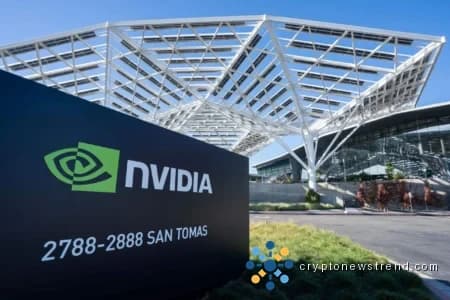
Table of Contents On May 20, Nvidia unveiled first-quarter fiscal 2027 financial results that exceeded Wall Street projections across key metrics. The chipmaker generated $81.62 billion in revenue, surpassing the analyst consensus of $78.42 billion and marking an 85.2% jump from the prior-year period. Earnings per share reached $1.87, comfortably ahead of the $1.76 forecast. NVIDIA Corporation, NVDA Shares of NVDA began trading Wednesday at $214.86, reflecting a roughly 15% gain since the start of the year. Over the past twelve months, the stock has fluctuated between $132.92 and $236.54. The market’s response to the impressive quarterly performance was notably subdued. Market participants continue monitoring whether the post-announcement price action signals a potential correction. Stifel’s Ruben Roy maintained his Buy recommendation while increasing his price objective to $282 from his previous $250 target. Roy highlighted management’s discussion of the Vera CPU creating access to a fresh $200 billion addressable market opportunity, with approximately $20 billion in standalone CPU sales anticipated during FY27. Roy also emphasized strengthening GPU rental rates. Year-to-date pricing for H100 rentals climbed 20%, while A100 cloud pricing increased 15%. He characterized these trends as indicators of robust demand extending beyond typical depreciation patterns. Nvidia’s networking division delivered particularly noteworthy results. This segment generated $14.8 billion in revenue, representing a 199% year-over-year surge. Roy identified Spectrum-X as having established itself as the revenue-leading solution in the AI-Ethernet category. Vijay Rakesh of Mizuho elevated his price target to $300 from $275 while retaining his Buy stance. He anticipates Nvidia will maintain its position as the predominant merchant AI-GPU provider and forecasts the stock trading at approximately 25 times FY28 projected earnings. Rakesh noted that the Vera Rubin platform remains scheduled for launch during the October quarter. He also referenced Nvidia’s forecast that the AI infrastructure market will expand to between $3 trillion and $4 trillion by 2030. Physical AI revenue exceeded $9 billion over the past twelve months, fueled by expanding automotive collaborations with companies including BYD, Uber, Geely, and Hyundai. Among Wall Street analysts, 38 have assigned NVDA a Buy rating, one maintains a Hold position, and one recommends Sell. The consensus price target approximates $304, indicating roughly 43% upside potential from present trading levels. Melius Research holds the Street’s most optimistic outlook with a $400 target. Nvidia’s board approved an $80 billion stock buyback authorization, supplementing the existing $39 billion available under the previous program. Chief Financial Officer Colette Kress indicated the company intends to distribute approximately 50% of free cash flow to shareholders throughout FY27. The quarterly dividend received a substantial boost — increasing from $0.01 per share to $0.25 per share. Shareholders of record on June 4 will receive the payment on June 26. CX Institutional expanded its NVDA position by 1.4% during the fourth quarter, raising its holdings to 300,575 shares valued at approximately $56.1 million. Institutional ownership represents 65.27% of outstanding shares. However, sentiment isn’t universally optimistic. Michael Burry released a public cautionary statement suggesting the stock could experience significant downside, citing excessive AI enthusiasm and overcrowded momentum positioning as potential risk factors. The stock’s 50-day moving average currently stands at $197.43, with the 200-day moving average at $189.19. Nvidia’s market capitalization approximates $5.20 trillion.