
Samsung’s $370K Worker Bonuses Trigger Alarm Across South Korean Corporate Landscape
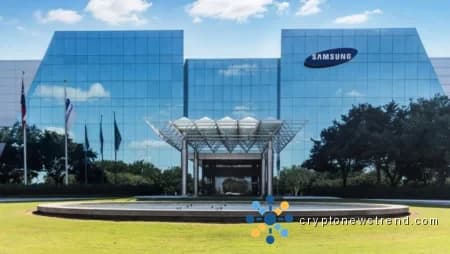
Table of Contents Employees at Samsung’s chip manufacturing operations are poised to collect annual bonuses reaching as high as $370,000 following the company’s historic profit-sharing arrangement with its principal labor organization. The settlement, ratified by over 73% of union voters on May 27, eliminates the possibility of significant work stoppage. Samsung and its labor union have buried the hatchet and signed a new wage agreement earlier today. This means the company will not face any chip production disruption. The signing ceremony took place earlier today at Samsung Electronics’ The UniverSE learning center in Giheung,… pic.twitter.com/XIybSV0Cdg — SamMobile – Samsung news! (@SamMobiles) May 27, 2026 The arrangement encompasses approximately 78,000 of Samsung’s 125,000 South Korea-based workforce. Compensation will be distributed primarily through stock awards, with 10.5% of the semiconductor unit’s yearly operating earnings designated for chip manufacturing personnel annually. An extra 1.5% will be issued as direct cash payments. The decade-long settlement also eliminates a prior restriction that capped special compensation at 50% of an employee’s standard salary. Certain memory chip professionals could collect combined bonuses totaling $416,000 through this structure. Samsung accepted these conditions following extended pressure from union representatives who expressed dissatisfaction over an expanding compensation disparity with competing chipmaker SK Hynix. Reports indicated substantial numbers of workers were departing Samsung for opportunities at SK Hynix. SK Hynix reportedly dedicated 10% of its operating earnings to bonus compensation during the previous year, with certain chip specialists collecting nearly 3,000% of their standard salary in bonus payments. While Samsung’s arrangement provides less generous terms, it represents the initial significant achievement for a Samsung labor union. The scheduling connects directly to Samsung’s robust fiscal results. The worldwide surge in AI infrastructure has accelerated demand for memory semiconductors, propelling earnings significantly upward. Absent this settlement, 48,000 employees were prepared to conduct an 18-day strike. South Korean President Lee Jae Myung voiced apprehension before the settlement was finalized, observing that distributing a portion of operating earnings before tax obligations was uncommon, even from shareholder perspectives. Corporate associations shared similar reservations. “This settlement represents Samsung Electronics’ unique situation and labor organizations should not treat it as a standard model,” the Korea Enterprises Federation declared in an official statement. The settlement is already generating substantial impact across South Korea’s commercial landscape. Employees at technology conglomerate Kakao and four affiliated companies have warned of potential strikes unless 13% to 15% of operating earnings are allocated for bonus distribution. Labor organizations at telecommunications provider LG Uplus and maritime construction firm HD Hyundai Heavy Industries have demanded at least 30% of operating earnings be channeled toward employee compensation. Salary negotiations at LG Uplus are currently in progress. At Samsung Biologics, workers executed a five-day walkout during May demanding provisions including a 20% profit allocation for bonuses. That conflict continues without resolution. Legal analysts characterize the Samsung settlement as departing from conventional practices. Bonuses are customarily distributed from net earnings following tax obligations, not from operating earnings. One legal scholar at Korea University characterized the arrangement as potentially “just the start” of a broader transformation in South Korean corporate compensation approaches. South Korea’s recently implemented Yellow Envelope Act, effective March 2026, intensifies pressure on corporate management. The legislation extends protections to subcontracted workers and constrains a corporation’s capacity to pursue financial remedies against striking employees. Upon implementation, more than 81,600 subcontractor union representatives initiated wage negotiation procedures with company leadership. Approximately 13% of South Korea’s labor force held union membership in 2024, marginally under the OECD benchmark, yet work stoppages happen considerably more regularly than in adjacent Japan. Discover top-performing stocks in AI, Crypto, and Technology with expert analysis.