
伊朗指责美国在与以色列联合行动期间对拉默德发动致命导弹袭击,造成24人死亡
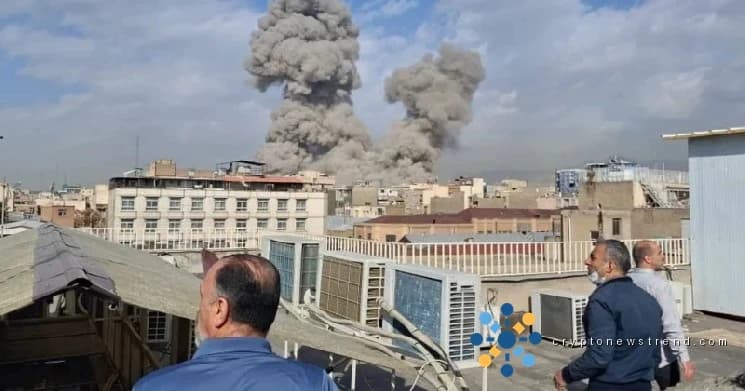
Iran’s Foreign Ministry has accused the United States of launching a missile strike on a residential area in the southern city of Lamerd, Fars province, killing at least 24 people on the opening day of joint US-Israel military operations against Iran.
Foreign Ministry spokesman Esmaeil Baghaei posted the accusation on X, stating that the February 28 strike hit Lamerd and struck a sports hall, citing a briefing from a local member of parliament.据报道,死者包括女子排球队的孩子们。
What happened in Lamerd
袭击目标是伊朗南部法尔斯省城市拉默德的一个体育馆。确认至少 21 人当场死亡,约 100 人受伤。 Four of the dead were children.
伊朗消息人士称,考虑到当天周边地区的相关军事行动,死亡人数总计高达 24 人。这次袭击发生在美国和以色列对伊朗联合行动的第一天。
广告
Baghaei accused the US of deploying a Precision Strike Missile, known as PrSM, a relatively new addition to the American military arsenal designed for long-range, high-accuracy targeting. He labeled the attack a war crime.
美国中央司令部(CENTCOM)完全否认参与其中。 Its position is that the damage was caused by an Iranian Hoveyzeh cruise missile, effectively suggesting Iran’s own weaponry was responsible for the civilian deaths.
Both The New York Times and BBC Verify have examined available footage from the site and concluded that the damage patterns are more consistent with a US PrSM than with an Iranian cruise missile.
The broader military context
The Lamerd strike did not occur in isolation.据报道,同日对米纳布的另一次空袭导致 175 人死亡。 Iran has claimed over 600 educational institutions were damaged in subsequent weeks, characterizing these attacks as systematic assaults on civilian infrastructure.
The PrSM is a next-generation tactical missile developed by Lockheed Martin for the US Army, designed to replace older systems with greater range and precision.如果独立分析证实其在这种情况下的部署,将标志着其在主动作战行动中的第一个已知用途之一。
What this means for crypto and broader markets
截至 2026 年 5 月下旬,Lamerd 罢工并未对加密货币市场产生明显影响。 Crypto markets tend to respond more sharply to macroeconomic policy shifts, regulatory actions, and liquidity conditions than to individual military events.
Iran is a significant oil producer, and sustained military operations in the region could disrupt supply or trigger sanctions enforcement that tightens global energy markets. Historically, tighter sanctions regimes have pushed some actors toward crypto as a means of circumventing traditional financial rails, drawing intense regulatory scrutiny and enforcement actions that have previously rippled across the industry.